How Wearable Technology is Changing Diabetes Management in India
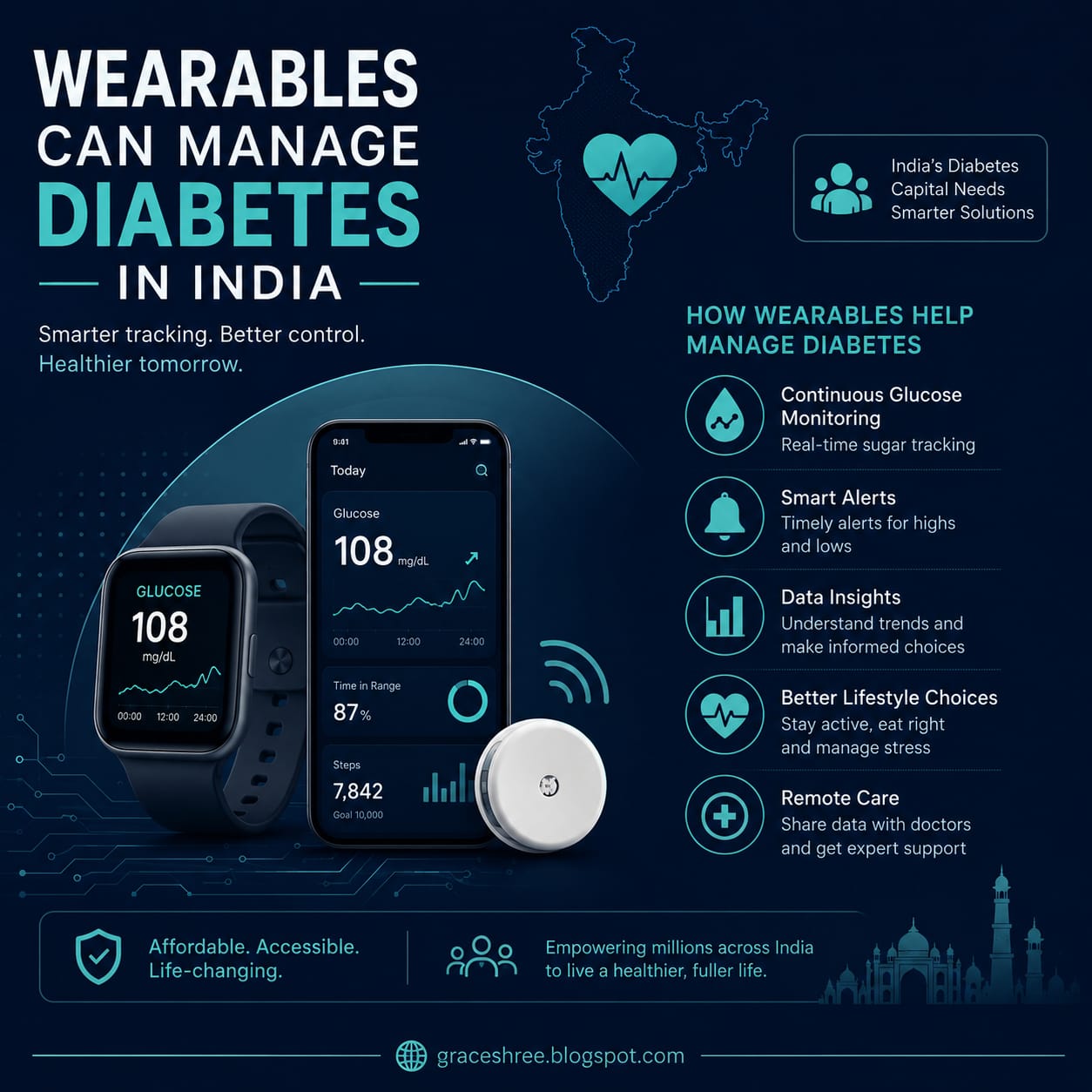
How Continuous Glucose Monitoring (CGM) devices and wearable technology are helping people monitor blood sugar levels in real time, reduce finger-prick tests, improve diabetes management and support healthier lifestyles.
Introduction
Wearable technology is transforming healthcare by enabling continuous monitoring of important health parameters without frequent hospital visits. One of its most significant applications is diabetes management through Continuous Glucose Monitoring (CGM) devices. These smart wearables provide real-time glucose readings, helping people make informed lifestyle and treatment decisions.
In India, where diabetes affects millions of people, wearable technology is making blood sugar monitoring easier, safer and more convenient. Modern CGM devices reduce the need for repeated finger-prick blood tests and provide continuous glucose trends throughout the day and night.
Quick overview: Continuous Glucose Monitoring devices help individuals track glucose levels 24 hours a day, enabling better diabetes management, early alerts and improved quality of life.
What is wearable technology?
Wearable technology has changed how people track and manage long-term health conditions, especially diabetes. Millions of adults now use Continuous Glucose Monitoring (CGM) devices. These smart wearables monitor health data in real time, allowing users to make quicker and healthier lifestyle decisions.
In India, wearable technology is transforming diabetes care by reducing the need for painful finger-prick blood tests. Instead, small wearable sensors remain attached to the skin and continuously monitor glucose trends while also collecting health information such as daily activity, heart rate, food intake, medication schedules, skin temperature and stress levels.
Modern wearables monitor blood sugar using two methods
- Sensors that directly measure glucose levels from body fluids such as interstitial fluid, sweat or blood.
- Advanced algorithms that analyse related health information to estimate blood sugar trends.
Did you know? Unlike traditional glucose testing, CGM devices automatically record glucose levels throughout the day and night, helping users detect patterns that would otherwise be missed.
How Continuous Glucose Monitoring devices work
Continuous Glucose Monitoring devices use a tiny sensor placed just beneath the skin to measure glucose levels in the interstitial fluid surrounding body cells. The sensor continuously sends readings to a receiver, smartphone, smartwatch or compatible insulin pump.
Instead of providing a single blood sugar reading like traditional finger-prick tests, CGM systems display glucose trends throughout the day, alert users when glucose levels rise too high or fall too low, and generate detailed reports for healthcare providers.
Benefits of real-time monitoring:
- 24/7 glucose tracking
- Automatic alerts for high and low blood sugar
- Trend graphs for better decision-making
- Reduced need for routine finger-prick testing
Popular Continuous Glucose Monitoring devices
Several CGM devices are widely used around the world to help people manage diabetes more effectively.
| CGM device | Main purpose |
|---|---|
| Dexcom G7 | Real-time continuous glucose monitoring with smartphone alerts. |
| Medtronic Guardian Connect | Continuous glucose monitoring with predictive alerts. |
| FreeStyle Libre 2 & Libre 3 | Sensor-based glucose monitoring with easy mobile integration. |
| Eversense CGM | Long-term implantable continuous glucose monitoring system. |
These CGM devices continuously monitor glucose levels in the interstitial fluid throughout the day and night. They replace frequent finger-prick testing with real-time smartphone alerts, glucose trend graphs and detailed reports that help patients and healthcare providers make better treatment decisions.
Please note: Device availability, pricing and regulatory approval differ between countries, and not every device listed here is sold in India. Always check with a doctor or pharmacist before choosing a monitoring system.
Benefits of wearables for diabetes management
Continuous Glucose Monitoring devices are becoming increasingly popular because they provide real-time glucose information that helps people manage diabetes more effectively. Instead of relying on occasional finger-prick tests, users receive continuous glucose readings throughout the day, allowing them to make informed health decisions.
1. Better blood sugar control
Studies show that patients using Continuous Glucose Monitoring systems often achieve better glucose control than those relying only on traditional blood glucose testing.
- Real-time glucose readings
- Early alerts for high and low blood sugar
- Reduced risk of dangerous glucose fluctuations
- Improved long-term diabetes management
2. Smart decision making
CGM devices record blood sugar patterns throughout the day. These trends help patients and healthcare professionals make better decisions regarding medication, food choices and physical activity.
- Understand how meals affect blood sugar
- Evaluate the impact of exercise
- Adjust medications more accurately
- Improve overall diabetes treatment plans
3. Remote health monitoring
Parents of children with Type 1 diabetes and caregivers of elderly individuals can monitor glucose levels remotely using connected mobile applications.
- Monitor glucose from anywhere
- Receive emergency alerts instantly
- Provide timely medical assistance
- Improve patient safety
4. Integration with apps and smart devices
Modern CGM devices integrate seamlessly with smartphones, smartwatches, insulin pumps and health applications to create a connected diabetes management ecosystem.
- Sync with health apps
- Connect to smartwatches
- Integrate with insulin pumps
- Track exercise and insulin together
5. Increased patient motivation
Interactive dashboards, easy-to-read graphs, achievement tracking and reminder notifications encourage users to stay engaged with their diabetes management routine.
- Visual glucose trend charts
- Personalised alerts
- Goal tracking
- Health progress monitoring
Why more people choose CGMs: these devices improve diabetes management by providing continuous glucose monitoring, early warning alerts and detailed health insights that support better treatment decisions.
Wearables and Type 2 diabetes
Continuous Glucose Monitoring devices were originally developed mainly for people living with Type 1 diabetes. However, they are now increasingly used by individuals with Type 2 diabetes who wish to better understand their blood sugar patterns and improve their daily lifestyle.
People managing Type 2 diabetes with lifestyle changes or oral medications can use CGM devices to understand how different factors influence their glucose levels.
CGMs help users monitor the effects of
- Meals and food choices
- Physical exercise
- Stress levels
- Sleep quality and sleep patterns
Health insight: By continuously monitoring glucose trends, people with Type 2 diabetes can identify lifestyle habits that improve or worsen blood sugar control, helping them make healthier everyday decisions alongside their healthcare provider.
Challenges and limitations
Although wearable technology has transformed diabetes management, it still has certain limitations. Understanding these challenges helps users make informed decisions before choosing a Continuous Glucose Monitoring device.
Major limitations
- Cost: many CGM devices remain expensive, making them less accessible for some individuals.
- Insurance coverage: limited reimbursement policies increase the financial burden for patients.
- Learning curve: users need time to understand glucose graphs, alerts and reports.
- Skin irritation: some users experience redness, itching or discomfort from adhesive sensors.
- Data overload: continuous monitoring generates large amounts of information that may confuse new users without proper guidance.
Worth knowing: CGM readings come from interstitial fluid rather than blood, so they can lag slightly behind a finger-prick result. Doctors still recommend confirming with a blood test before making urgent treatment decisions.
Future trends in diabetes wearables
Wearable technology continues to evolve rapidly. Researchers and technology companies are developing smarter, more comfortable and more affordable devices that will make diabetes management even easier in the future.
1. No-needle blood sugar tracking
Technology companies and healthcare startups are developing non-invasive glucose monitoring systems that measure blood sugar using sweat sensors or infrared light technology instead of piercing the skin.
2. Smartwatches as CGMs
Future smartwatches may include built-in blood glucose monitoring capabilities, allowing users to monitor their glucose levels without wearing separate sensors.
3. Artificial pancreas systems
By combining Continuous Glucose Monitoring devices with insulin pumps and AI-powered algorithms, artificial pancreas systems will automatically deliver insulin based on real-time glucose readings.
4. Digital health coaching
Future diabetes applications will analyse CGM data and provide personalised recommendations about diet, exercise, medication and sleep to improve long-term health outcomes.
5. Affordable devices for everyone
Researchers and medical technology companies are working to reduce manufacturing costs so that advanced diabetes wearables become accessible to more people, especially in developing countries.
Future outlook: The next generation of diabetes wearables aims to provide painless glucose monitoring, smarter AI-powered health insights, improved automation and affordable access for millions of people worldwide.
Conclusion
Wearable technology is transforming diabetes management by making blood sugar monitoring easier, more accurate and more convenient. Continuous Glucose Monitoring devices provide real-time glucose readings that help users understand how food, exercise, stress and medication affect their blood sugar levels.
These smart devices reduce the need for frequent finger-prick testing, improve treatment decisions and encourage healthier daily habits. As technology continues to advance, future wearables are expected to become more affordable, non-invasive and integrated with artificial intelligence, making diabetes care even more personalised and accessible.
Key takeaway: Wearable technology empowers people with diabetes to become active participants in managing their health. By providing continuous insights and early alerts, these devices improve blood sugar control, reduce complications and enhance overall quality of life.
Medical disclaimer: This article is for general information only and is not a substitute for professional medical advice. Never start, stop or change diabetes medication based on wearable readings without speaking to your doctor.
About the writer
Thank you for reading this article. I write well-researched content on healthcare, nutrition, artificial intelligence, technology and digital trends, with a focus on making complex health topics clear and practical for everyday readers.